Visual evidence, defending territory and biodiversity.
We train frontline communities to gather visual evidence of environmental injustice and defend land rights and biodiversity.


Featured projects
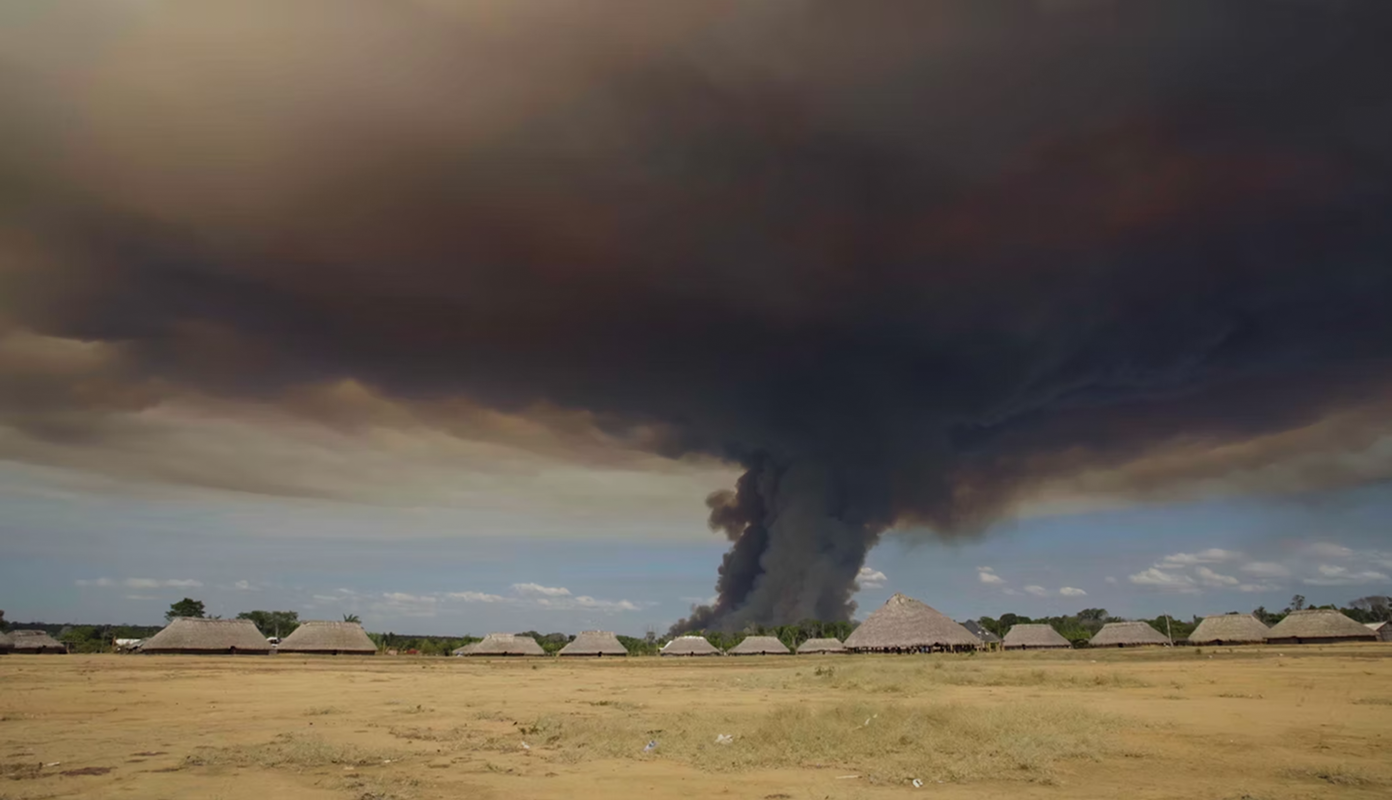
Frontline communities equipped with the tools and skills to document environmental injustice and defend their territories. These are the communities we work with.

Skill-based
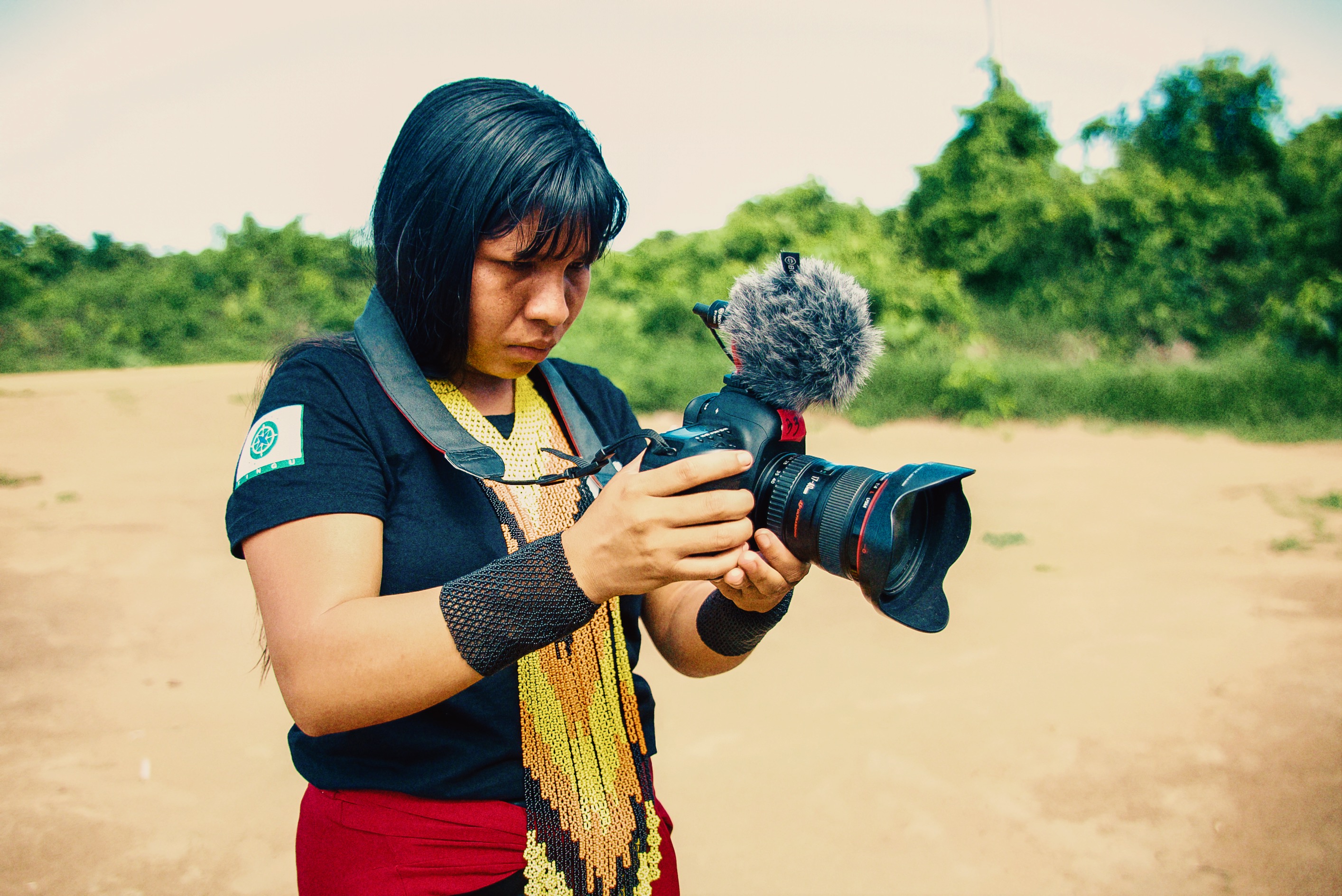
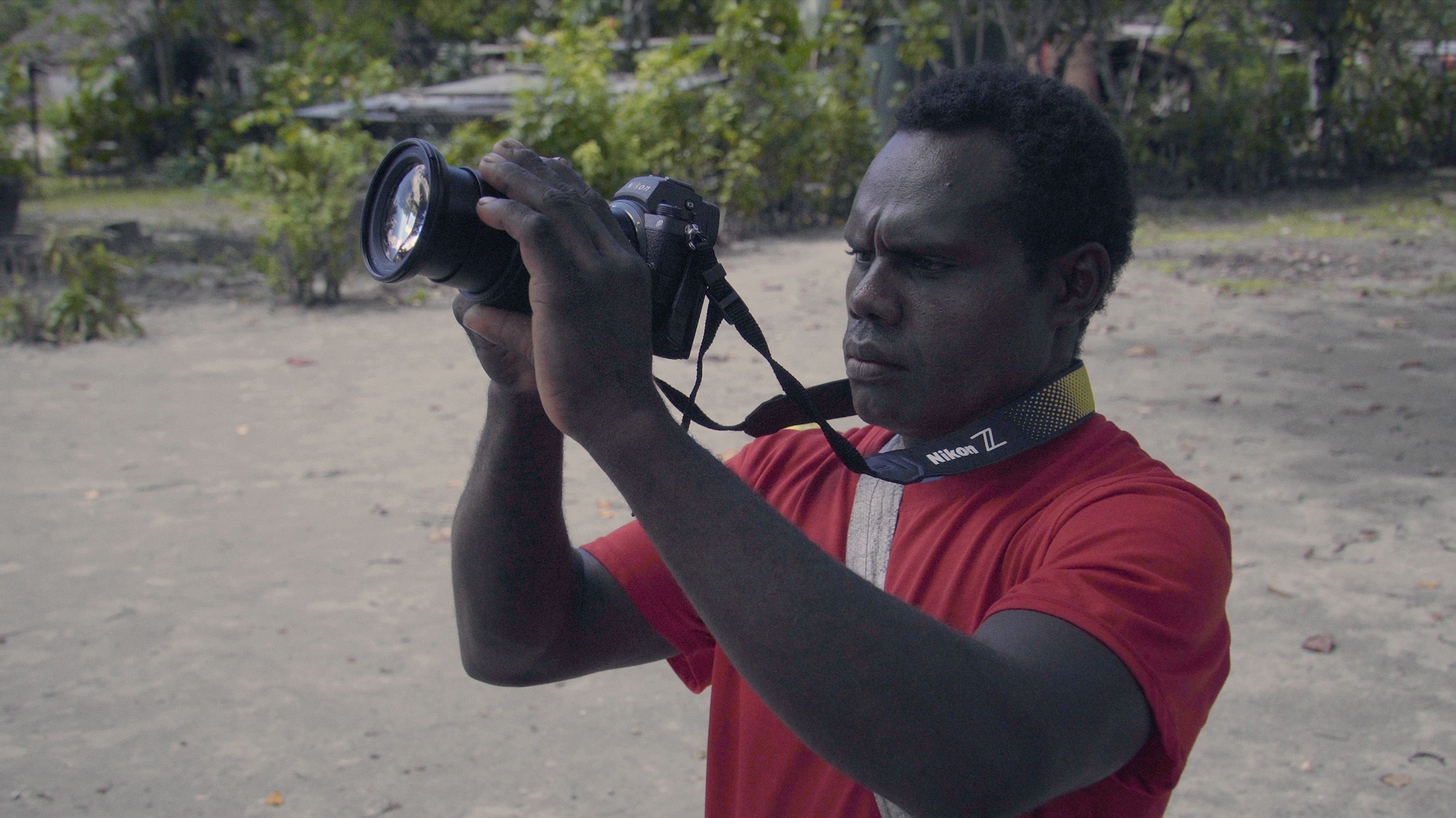
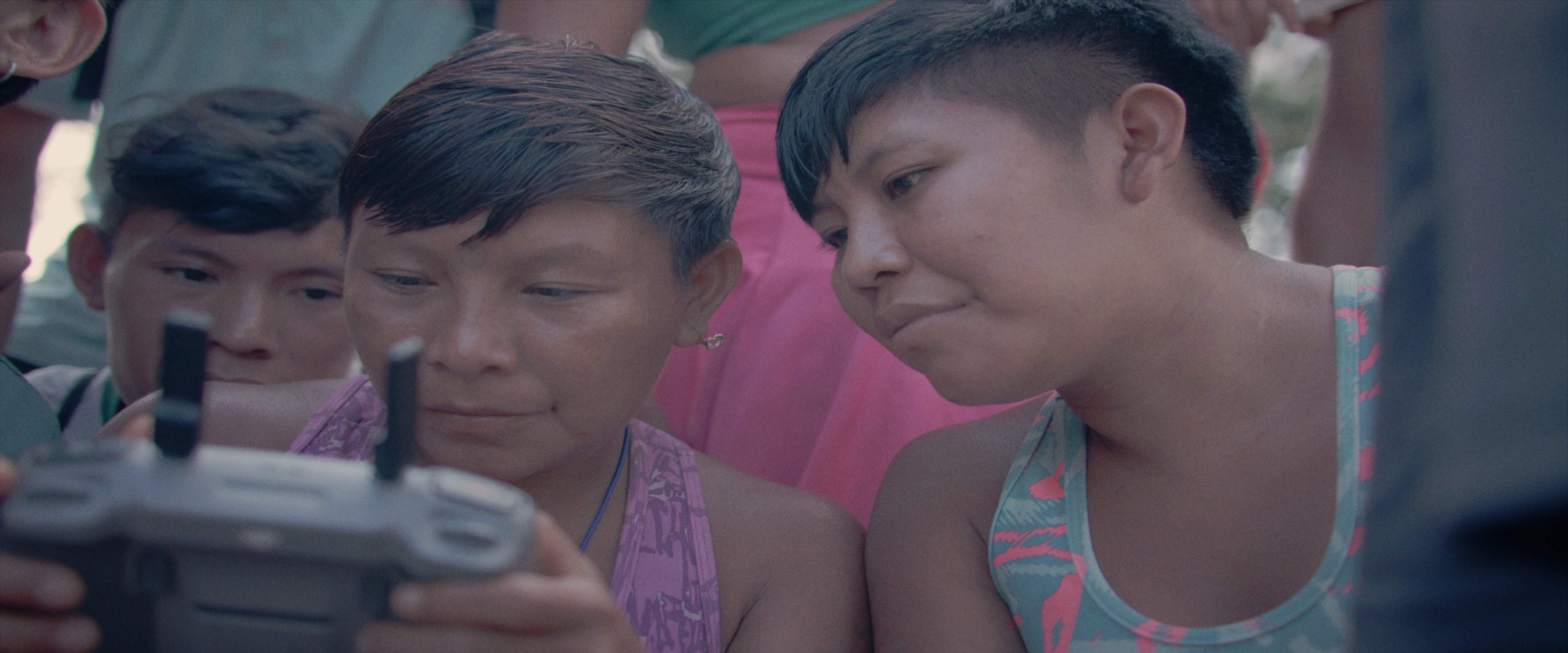
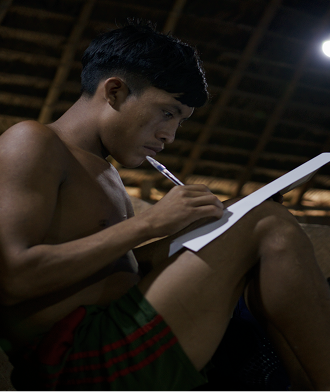
A tailored and co-designed curriculum teaches filmmaking and visual evidence gathering. It is co-designed in consultation with community members and relevant experts, and is implemented in the local language.
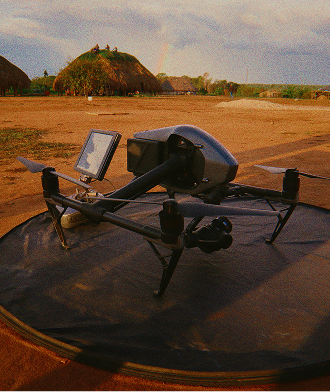
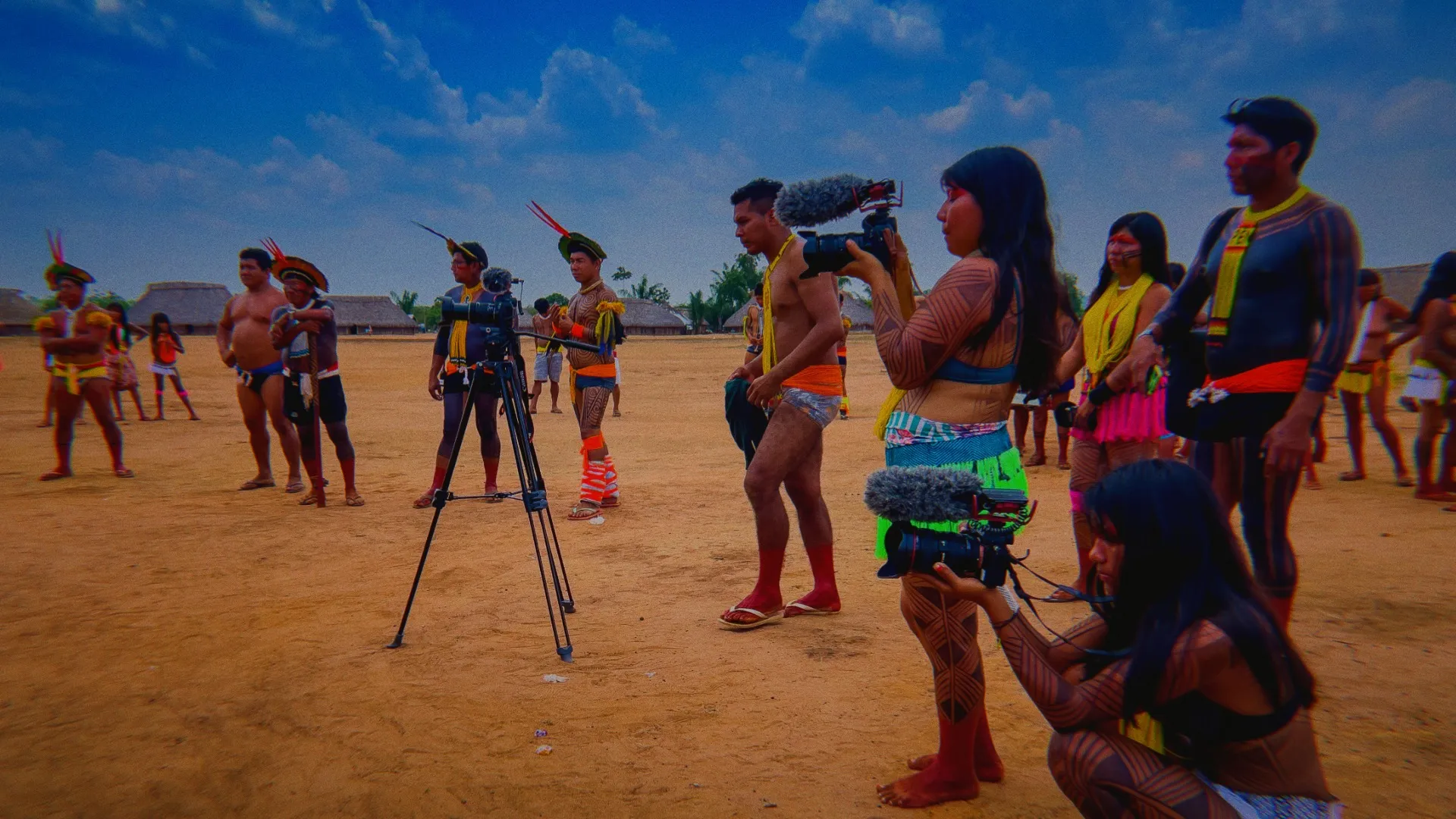
Indigenous participants receive full ownership of equipment, along with hands-on training in both technical and narrative skills for effective documentation. This includes camera operation, audio recording, drone piloting, and editing.
Afterwards, an Indigenous-led collective is built and supported to begin advancing and utilizing the skills learnt in the initial workshop.


Evidence Gathering
After surveying learning needs within the community, an advanced workshop is co-designed in close collaboration with legal experts and Indigenous leaders. This phase deepens participants’ skills by directly linking film techniques to methods of evidence collection that can hold up in legal and human rights contexts.
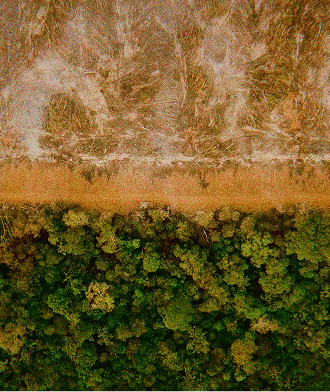
Participants are trained to use high-resolution video and GPS-enabled drones to systematically document environmental damage, land encroachment, and rights violations. These materials are formatted and archived to meet legal standards, enabling their use as admissible evidence in court.
By integrating local environmental and human rights law into the training, participants not only document powerful evidence but also learn to frame them within legal narratives.
Participatory Litigation
The media produced through this process is intended to raise awareness and to serve as legal evidence in court cases defending Indigenous land rights. To ensure this, we collaborate closely with local environmental and human rights lawyers who guide the framing of content to meet evidentiary standards.
In continuous alignment with Indigenous partners, we support the definition of legal case parameters by collating multimedia evidence, consulting with legal and scientific experts, and ensuring that all documentation remains relevant and credible. This collaborative process strengthens the legal standing of Indigenous claims and contributes to long-term land protection strategies.
Land Rights and Preservation
Successful legal actions that incorporate visual evidence have the potential to protect Indigenous territories and prevent large-scale deforestation across vital ecosystems worldwide. By validating community-led documentation in court, these cases contribute to the long-term preservation of forests, biodiversity, and Indigenous practices.
among.earth supports this process through a collaborative approach that centers Indigenous leadership. This includes strategic community organizing and the establishment of a collective to unify stakeholders and meet the specific needs of each community.
The Approach
Supporting local leaders and networks so communities can organize and act together.
Engaging affected communities in legal processes, as active agents in advocating for their rights.
Indigenous communities own, control and govern their data in accordance with their cultural values.
Identities and vulnerabilities are considered, ensuring that interventions are flexible and inclusive for maximum impact.
among.earth is a backbone organization, supporting to build power from the ground, up.
Lawyers