Sulwara
1,600 species of reef fish
430 species of corals
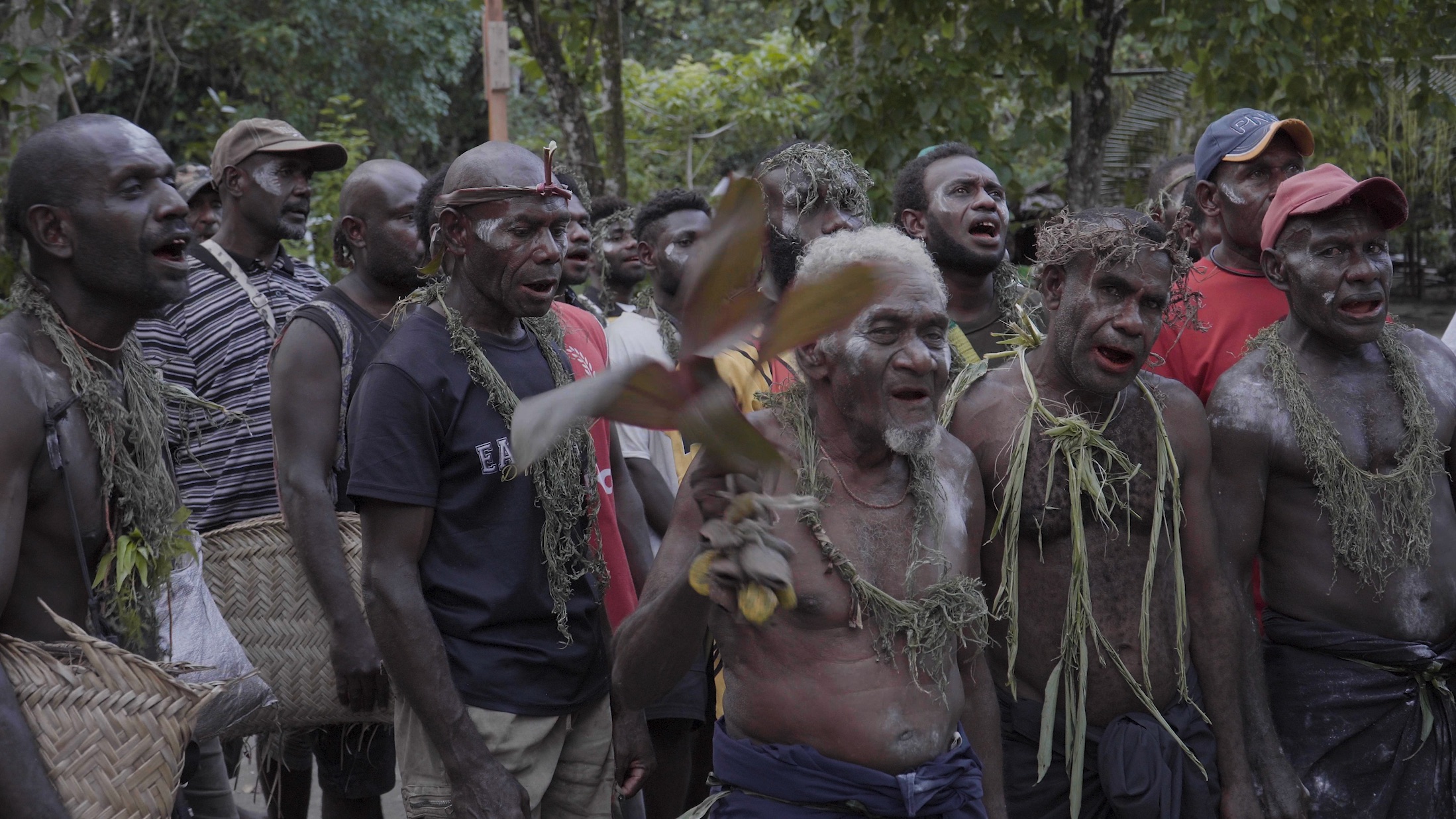
The first workshop within the Sulwara project took place in the New Ireland Province, Papua New Guinea, with the Lovongai Indigenous community in March-April 2023.
From 2006, the island has seen a civil war across the twelve different Indigenous clans, stemming from land disputes exacerbated by extractive companies (logging and mining) who have practiced inadequate (or non-existent) consent processes.
With 7+ different clans represented, the workshop was the first joint project since the civil war.
Sulwara is Tok Pisin for saltwater, and it names the fight to keep Lovongai's waters and the Coral Triangle biodiversity within them out of the hands of (deep-sea) mining, equipping the island's Indigenous community to document that fight and defend it in court.


From lost forest to returning gold: Lovongai's unfinished fight
In practice, the leases opened the door to industrial logging: a 2010 Forest Clearing Authority cleared 56,592 hectares, and by 2020 more than US$50 million in timber had been exported. A PNG Commission of Inquiry later found due diligence was never followed and many landowners never knew their land had been signed away, calling it the biggest scandal in PNG land law, one that degraded soil and freshwater and disrupted tradition while delivering almost none of the promised benefit.
The Lovongai people depend just as heavily on the sea. A proposed deep-sea mining operation, threatens to disrupt marine habitats and fish populations by extracting minerals from the seabed. Foreign industrial fishing fleets have already driven fish stocks into decline, and coral reefs are degrading under destructive fishing, rising sea temperatures, and pollution, together threatening food security and eroding fishing knowledge passed down for centuries.
Onshore mining threat keeps returning: gold prospecting was halted in the 1980s amid suspected undisclosed removal of high grade samples, and a mid-2000s push for a mine was defeated by islander resistance. That threat is back at scale. Pacific Minerals Resources Ltd holds licenses covering roughly 32,000 hectares in the island's south, and in March 2025, Zhonghai Resource Group Limited, a company with little verifiable public record, was granted a further licence across 33 sub blocks in the southwest to explore for copper, gold, and silver. Given New Ireland's fragile ecosystems and customary land tenure, a future mine could match the scale of harm already caused by logging.
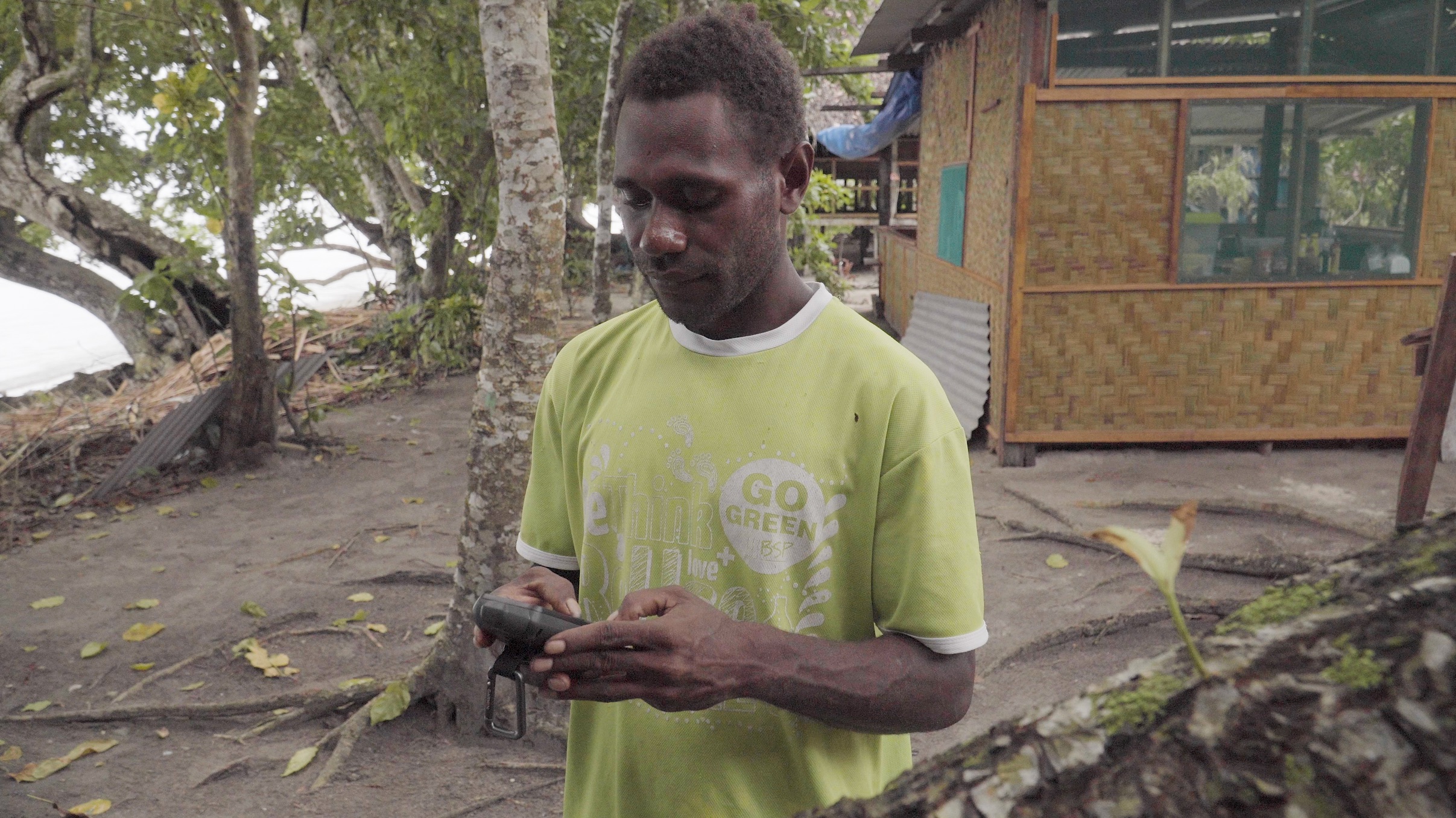
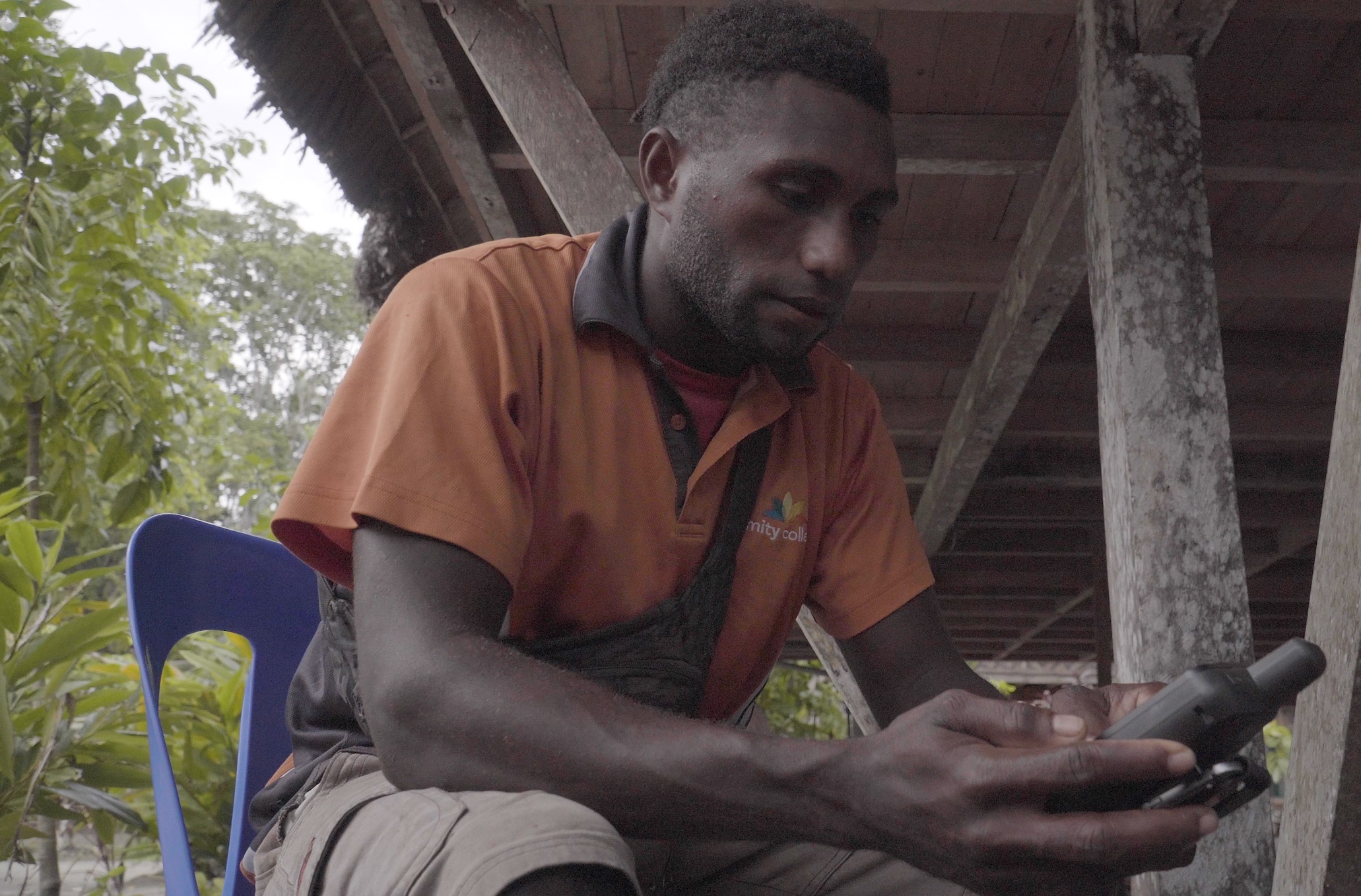
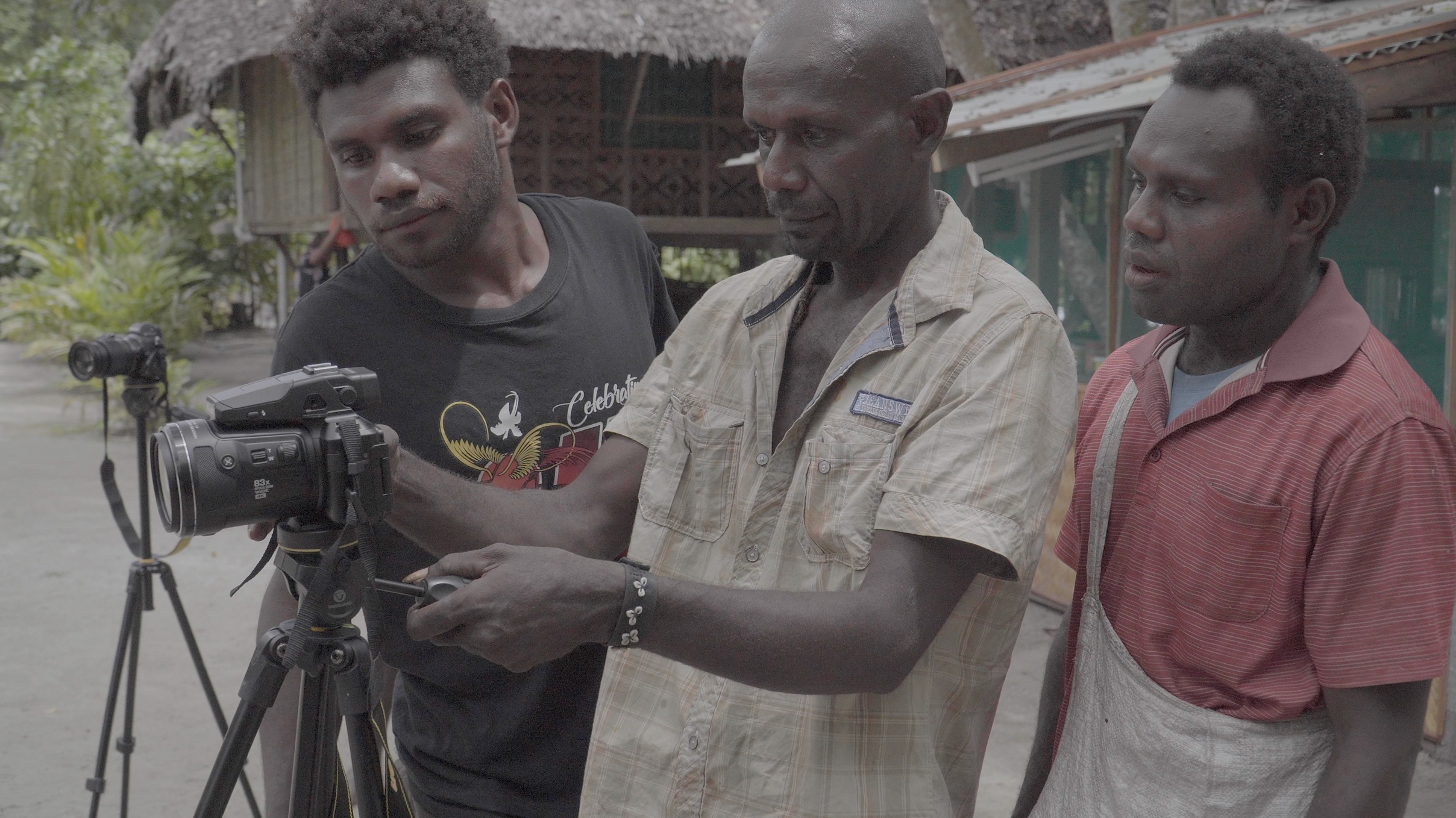
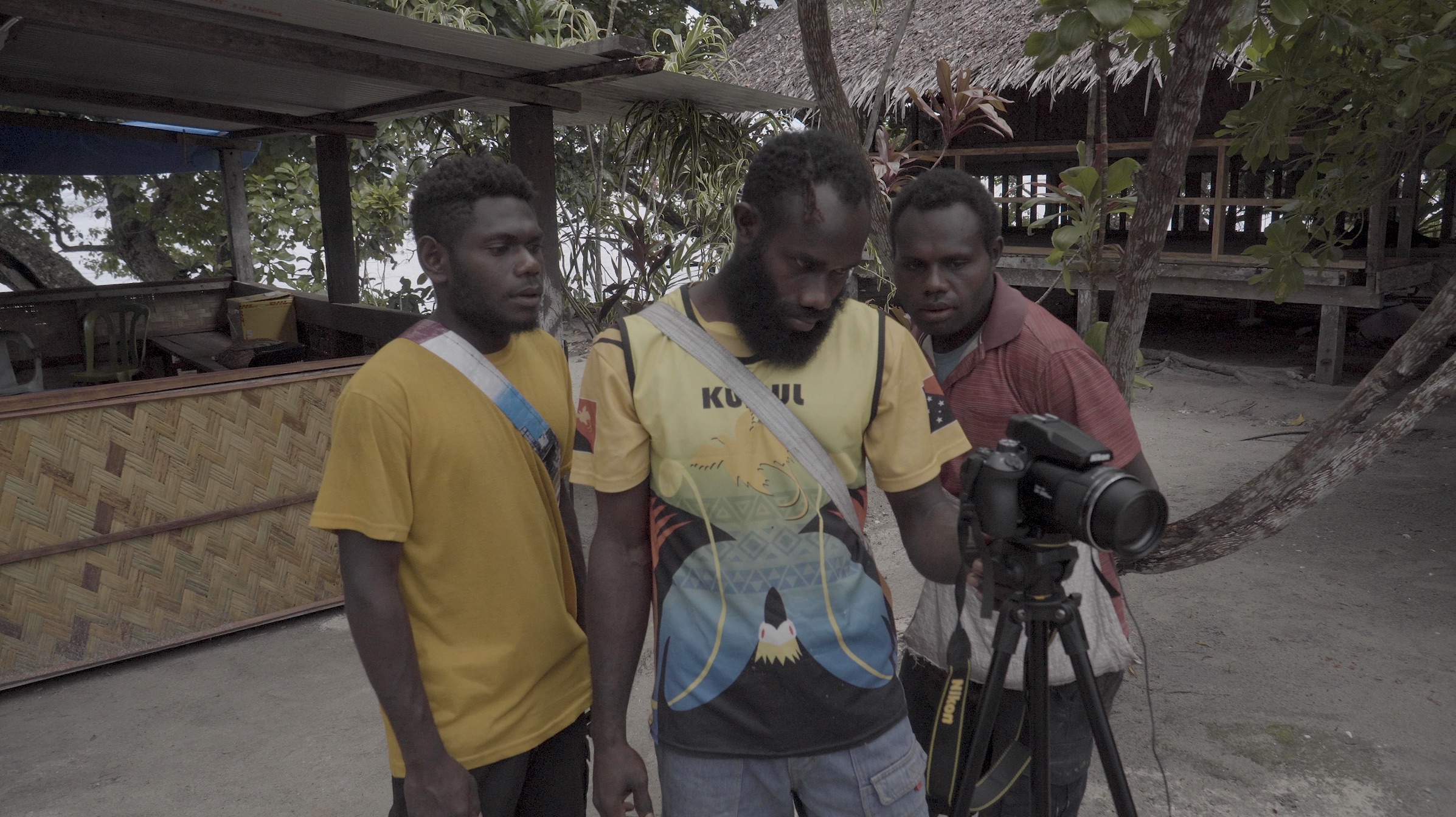
The Solwara project trains community members from Lovongai in stages, equipping them to become the authors, directors, and editors of their own cinematic narratives, telling their story from their own perspective rather than having it told for them, while building the same film craft into a tool they can turn in their own defence against the threats facing their land.
Training began with the fundamentals of planning a shoot: storyboarding, building shotlists, and the groundwork needed before a camera rolls.

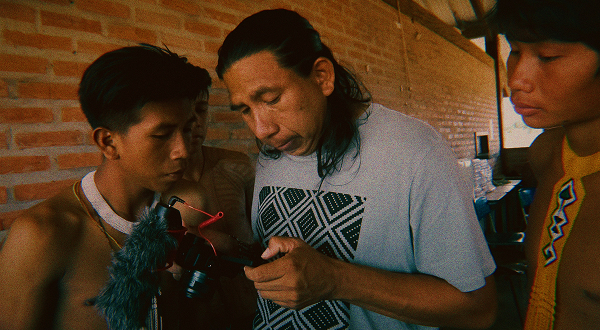
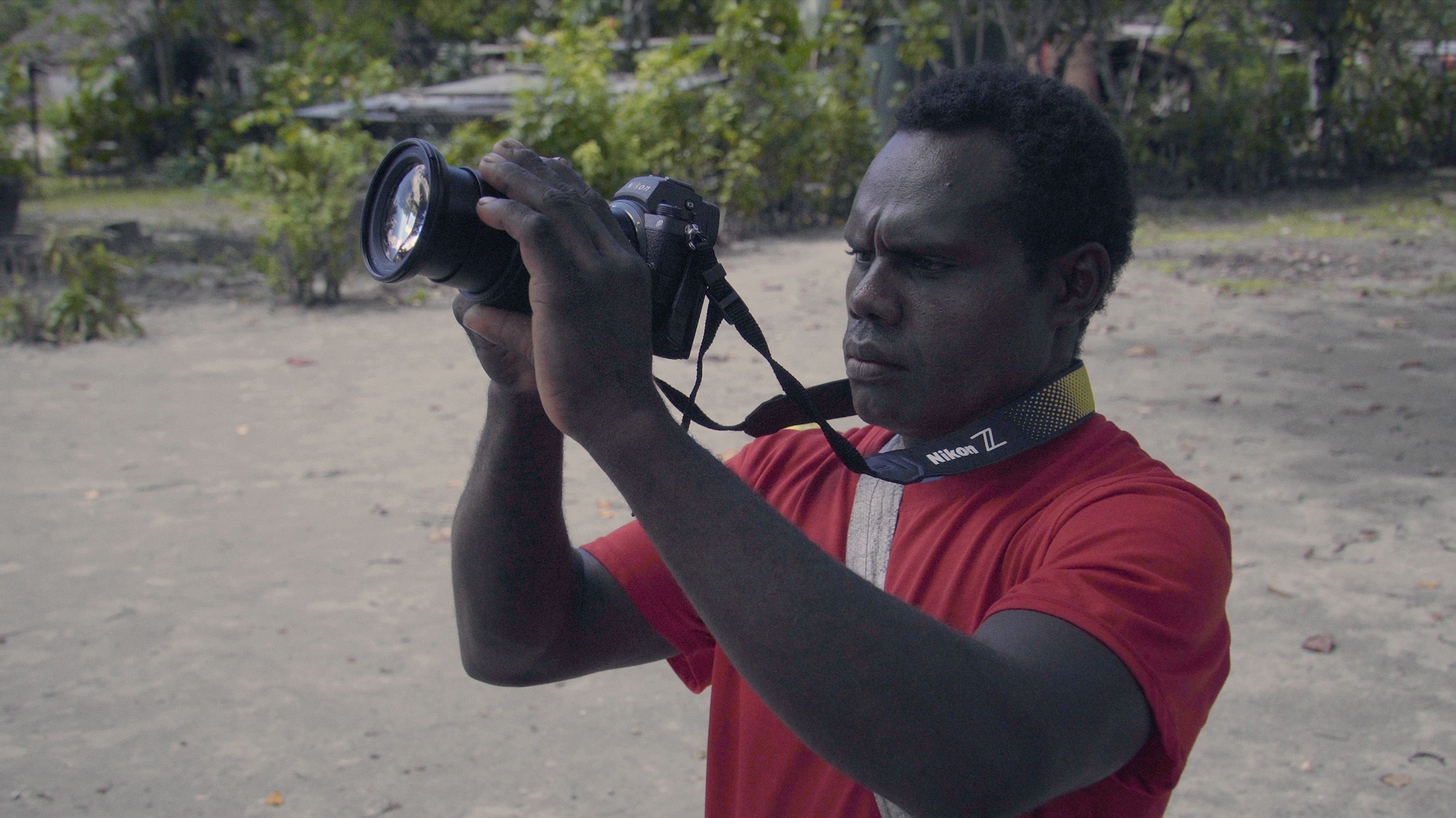
From there, training moved to hands-on camera work: operating a 4K video camera and its supporting equipment, and building technical fluency in ISO, aperture, and shutter speed to produce professional-grade footage. Participants learned to conduct interviews, capture B-roll, and operate a drone for aerial coverage, the full toolkit of a documentary shoot.
On the editing side, participants trained in Adobe Premiere, learning to assemble raw footage into a finished, coherent short film. By the end of this stage, each Lovongai participant had written, shot, and edited their own short film on a subject of their choosing, carrying a project through the complete process from first concept to final cut, on their own terms.
From craft to evidence
A further, more advanced stage of training linked that craft directly to evidence gathering. Participants learned to treat their footage, interviews, B-roll, drone shots, as more than documentation: as material that can stand up as evidence. Through a dedicated rights-based curriculum, they learned to shape a storyline around the specific rights and claims at stake, so a finished film could speak directly to the violations it was made to expose. That shift turned the same tools used to tell their own story into a tool for building a case, with the footage produced on Lovongai intended for use as proof in court against the illegal logging and mining threatening their land.
Team